Choosing between consecutive interpreting and simultaneous interpreting is one of the first decisions organisers face when a meeting, conference or hearing involves more than one language. Both modes deliver the same meaning across languages, but they feel completely different in the room, they need different equipment and they affect the pace of your event. This article explains how each works, what it costs in time and money, and how to match the mode to the occasion so nobody leaves confused.
How Consecutive Interpreting Works
In consecutive interpreting the speaker talks for a short stretch, usually one to five minutes, then pauses while the interpreter renders the message into the other language. The interpreter relies on memory and a personal note taking system, not a script. Because there is no equipment, it suits small settings: business negotiations, site visits, medical appointments, interviews and press briefings. The mode has a human warmth that many participants value, since conversation stays direct and the interpreter is visible and easy to question.
The trade-off is time. Every statement is effectively said twice, so a meeting takes roughly half as long again as it would in a single language. Plan the agenda accordingly and resist the urge to cram in extra items.
How Simultaneous Interpreting Works
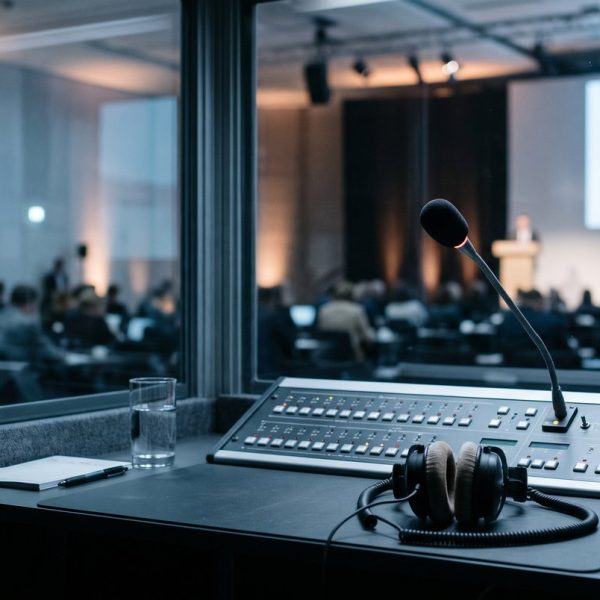
Simultaneous interpreting happens almost in real time. The interpreter sits in a booth or, increasingly, at a remote console, listens through headphones and speaks into a microphone while the speaker continues. Listeners wear receivers and choose their language channel. It is demanding work, which is why professionals normally operate in pairs and swap every twenty to thirty minutes to protect accuracy. The Wikipedia article on language interpretation gives a solid overview of the modes and their history.
Simultaneous interpreting is the standard choice for conferences, large corporate events, shareholder meetings and any setting with many languages or a tight programme. It saves time, but it needs booths, sound systems and technical support, so the budget is higher.
Choosing the Right Mode for Your Event
Start with the number of participants and the number of languages. Fewer than about ten people and two languages almost always points to consecutive. Larger audiences, several languages or a fixed schedule point to simultaneous. Next consider the content. Highly technical or legal discussions benefit from the pauses of consecutive mode, where terminology can be clarified, while fast moving panels work better with simultaneous delivery. Finally look at the venue and the technology available, since a room without space for booths or reliable audio rules out some options.
There is also a hybrid called whispered interpreting, or chuchotage, where the interpreter murmurs the translation to one or two listeners. It is useful when only a few delegates need help in an otherwise single language meeting.
Where Remote Interpreting Services Fit In
Remote interpreting services have changed what is possible. Video platforms with built in language channels allow simultaneous delivery to participants anywhere, with interpreters working from studios or home offices with professional equipment. Phone and video links also make consecutive interpreting available at short notice, which is valuable for urgent medical or legal conversations. Success depends on stable internet, good microphones and a short technical rehearsal. Ask your provider which platforms they support and what backup they use if a connection fails.
Quality varies, so check that interpreters are professionally trained and familiar with the subject. A good place to see the standard to look for is this overview of a professional interpreter working in a real language pair, which shows how preparation and specialist knowledge shape the result.
Preparing Your Interpreters for Success
Whatever mode you choose, the result depends heavily on preparation. Send the agenda, slides, speaker names and a glossary of key terms days in advance, not minutes before the session. Explain the audience and the goal of the meeting. Ask speakers to talk at a natural pace, avoid idioms and finish their sentences. For practical steps, this guide on how to brief interpreters before a multilingual meeting sets out what to share and when.
Treat interpreters as colleagues. Introduce them, give them water and a good seat, and allow breaks. People who work in the profession discuss real situations and advice on the r/interpreting community on Reddit, which is worth a look for any organiser curious about the realities of the job.
Budgeting and Booking Without Surprises
Interpreters are usually booked per day or half day, with extra charges for equipment, travel and preparation time. Simultaneous services cost more because they need two interpreters per language plus technical support, but they can save the cost of a longer event. Request a written quote that lists every item, and confirm cancellation terms. Book as early as you can, especially for rare language pairs or busy conference seasons, since the best specialists fill their calendars weeks ahead.
The Short Version
Use consecutive interpreting for small, conversational or sensitive settings where accuracy and rapport matter more than speed. Use simultaneous interpreting when the audience is large, the schedule is tight or several languages are involved. Mix in remote options when travel is impractical, and always invest in briefing the interpreters. Get those choices right and consecutive interpreting and simultaneous interpreting both do the same quiet job: letting every person in the room understand and be understood.